Basement Water Damage Cleanup & Structural Drying
This Scottsdale basement water damage restoration project involved severe moisture intrusion impacting flooring, subfloor, and structural materials. Our team used thermal imaging to locate hidden water, removed saturated materials, and applied precision drying methods to fully restore the space.
Initial Damage Inspection & Thermal Imaging
The project began with a comprehensive basement inspection to assess the full extent of water damage. Using thermal imaging and advanced moisture meters, our Scottsdale restoration team identified hidden moisture behind walls, beneath flooring, and within structural components that would otherwise go undetected.
Moisture Mapping & Damage Verification
Detailed moisture mapping confirmed that both visible and concealed areas were affected. Elevated readings across subfloor systems and wall assemblies indicated widespread saturation, requiring immediate professional intervention to prevent further structural deterioration and mold growth.
Water Extraction & Material Removal
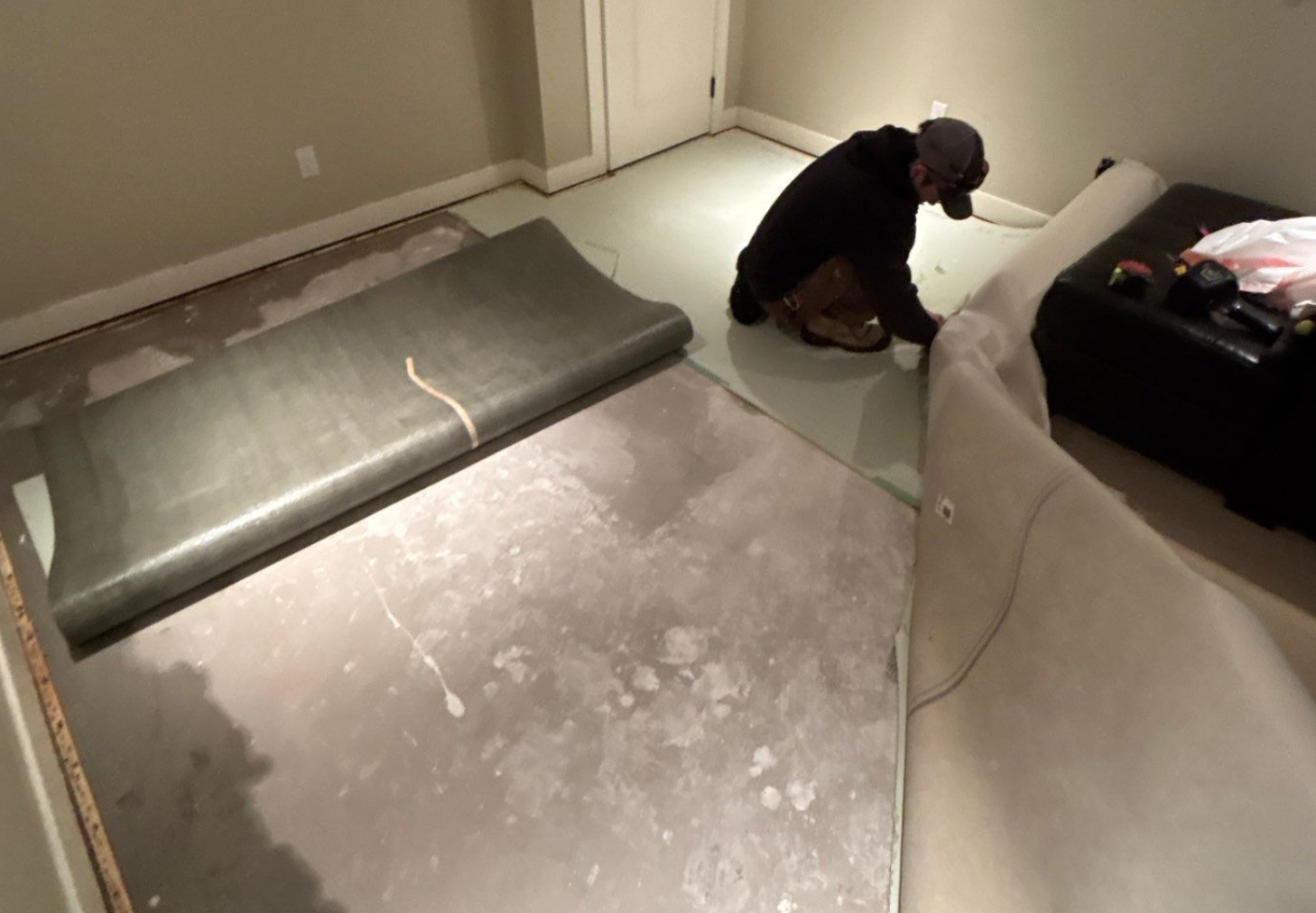
We initiated rapid water extraction followed by the removal of water-damaged carpet, padding, and compromised building materials. This process exposed underlying surfaces and eliminated materials that could trap moisture and contribute to long-term damage.
Containment & Controlled Work Environment
Containment systems were installed to isolate the affected basement area. This ensured that moisture, debris, and airborne contaminants remained contained during the restoration process, protecting the rest of the home.
Structural Drying & Dehumidification
High-performance air movers and industrial dehumidifiers were strategically placed throughout the basement. Airflow and humidity levels were carefully managed to accelerate drying, stabilize materials, and prevent secondary damage such as warping or microbial growth.
Wall Cavity Drying & Hidden Moisture Removal
To address moisture trapped inside wall cavities, we created targeted access points and applied focused drying techniques. This step is critical in Scottsdale basement water damage projects to ensure no residual moisture remains behind finished surfaces.
Ongoing Monitoring & Equipment Adjustments
Throughout the drying process, our technicians conducted frequent moisture readings and environmental checks. Equipment placement and airflow patterns were continuously adjusted to maximize efficiency and ensure complete moisture removal.
Final Drying Completion & Restoration Readiness
Once all moisture levels returned to safe, dry standards, the basement was fully stabilized and ready for reconstruction. The space is now clean, dry, and protected against future moisture-related issues.
This Scottsdale basement water damage restoration gallery highlights the full cleanup and drying process, including thermal imaging scans, material removal, exposed subfloor drying, and professional equipment setup. Each stage reflects a precise, data-driven approach to restoring water-damaged basements safely and efficiently.



Scottsdale Water Damage Restoration provides comprehensive water damage services for homes and businesses across Scottsdale, Arizona and nearby communities, prioritizing fast response times, detailed mitigation, and durable, high-quality restoration.
Get Help Now24/7 Emergency Line
(623) 300-0841
Service Locations
View All Locations We Service